
Key takeaways
- The investment narrative in Angola and Mozambique is widening from gas production and LNG exports to domestic gas use, industrial development and the infrastructure that connects supply with demand.
- Resource availability does not create a bankable project: the central question is who will buy the gas, at what price, under which contracts and for how long.
- For U.S. firms, equipment, engineering and industrial services may offer more accessible entry points than multibillion-dollar LNG or pipeline projects.
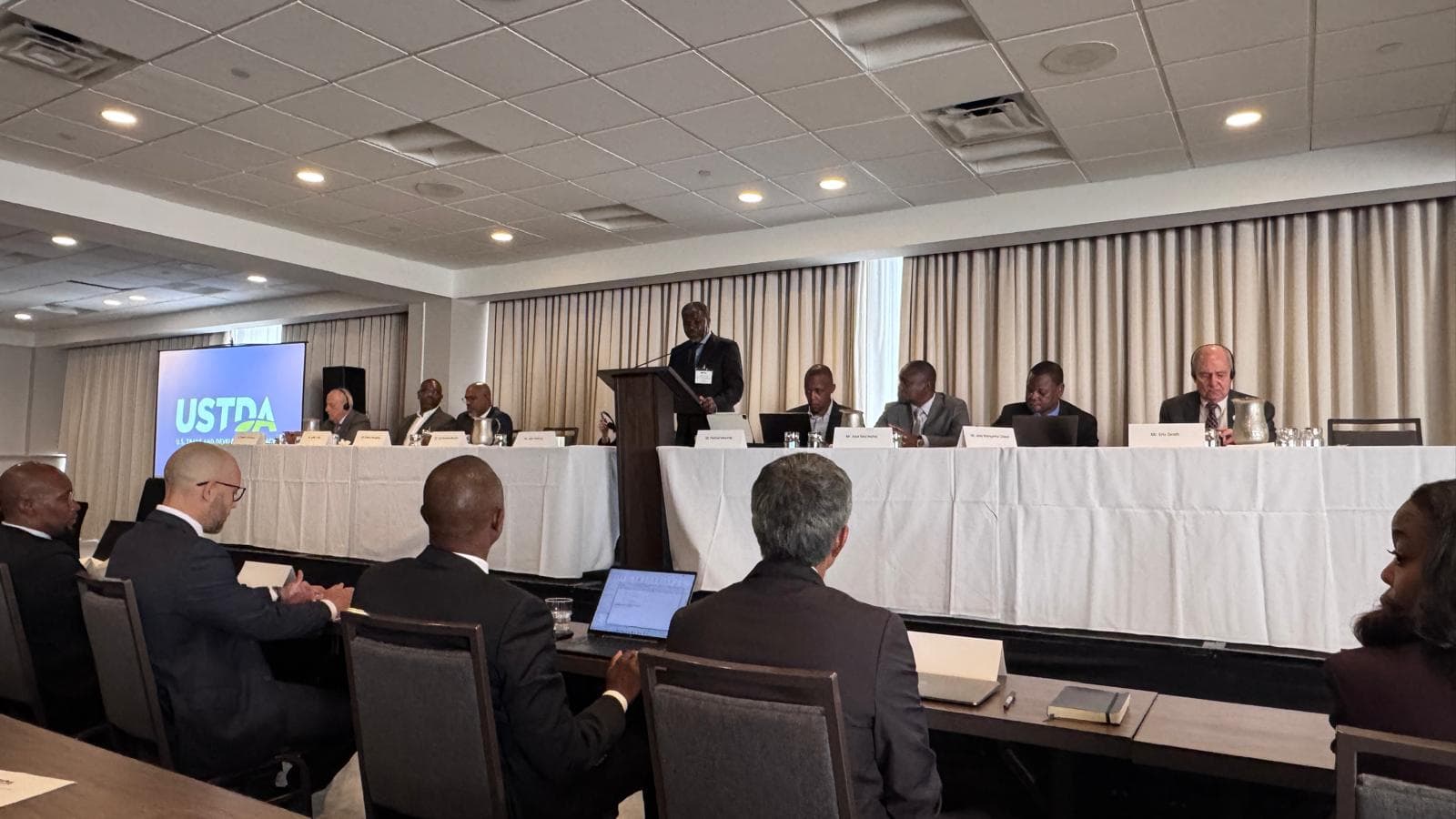
Houston, Texas: the U.S. Trade and Development Agency (USTDA) Angola and Mozambique Midstream Gas Infrastructure Reverse Trade Mission provided a valuable perspective on how two of Southern Africa's leading hydrocarbon economies are positioning themselves for a new phase of energy investment. ANCAPA Global Partners participated in the Houston briefing, where government representatives, petroleum-sector institutions, and industry stakeholders outlined national priorities, regulatory developments, infrastructure requirements, and opportunities for U.S. companies.
The discussions revealed an important shift in how both countries are approaching their natural gas resources. For years, the investment narrative has been dominated by exploration, production, and liquefied natural gas (LNG) exports. Today, the conversation is expanding toward domestic gas utilization, industrial development, energy security, regional connectivity, and the infrastructure required to support these ambitions.
The next investment opportunity is not simply extracting and exporting more gas. It is building the industrial and commercial systems that allow gas resources to generate broader economic value. For U.S. companies, this creates opportunities across engineering, industrial equipment, energy infrastructure, technology, logistics, and specialized services. For Angola and Mozambique, it raises a more consequential question: how quickly can resource potential be converted into commercially viable projects?
01Angola: building a domestic gas economy
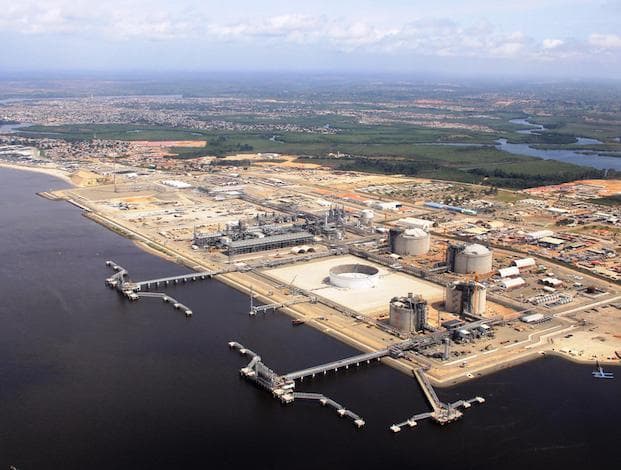
Angola's presentation offered a structured view of its natural gas development strategy, anchored in the country's Natural Gas Master Plan approved in March 2025. The strategy addresses four interconnected areas: resources, infrastructure, markets, and the regulatory framework.
Angola already possesses an established LNG export industry, centered on the Angola LNG facility in Soyo, with approximately 5.2 million tonnes per annum of design production capacity. The development of non-associated gas represents another important milestone. The Quiluma-Maboqueiro project is intended to strengthen the availability of gas beyond volumes associated with oil production. This could improve supply flexibility and support the development of a more diversified domestic gas market.
However, the most significant opportunity presented was not the volume of gas available. It was the infrastructure required to move that gas from producing areas to industrial customers across the country.
A phased national gas infrastructure strategy. Angola outlined a development program extending toward 2040. In the short term, through 2030, priorities include maximizing gas utilization from existing facilities, advancing fertilizer production, supporting gas-fired electricity generation, developing gas aggregation arrangements, and introducing distribution solutions for areas not yet connected to conventional pipelines.
In the medium term, from 2030 to 2035, the focus shifts toward developing a national trunk pipeline network, connecting major economic and industrial centers, expanding processing capacity, and establishing additional gas-based industries. In the long term, from 2035 to 2040, the ambition extends toward broader national integration and potential regional energy connections, including opportunities associated with the Lobito Corridor.
The presentation referenced an indicative investment requirement of approximately US$33 billion across the wider gas value chain, including roughly US$7 billion in midstream infrastructure. These are development ambitions rather than confirmed financing commitments. Nevertheless, they illustrate the scale of Angola's proposed energy transformation.
The Lobito Corridor connection. One particularly important dimension is the potential integration of gas infrastructure with the Lobito Corridor. The corridor is gaining international attention as a strategic logistics route connecting Angola's Atlantic coast with mineral-producing regions in the Democratic Republic of Congo and Zambia. Its long-term economic potential extends beyond transportation. Mining operations, mineral processing facilities, logistics centers, and industrial manufacturers all require dependable energy.
A reliable gas supply, where commercially and environmentally appropriate, could complement existing electricity infrastructure and improve industrial energy security. This creates the possibility of a broader industrial development model in which transportation, electricity, natural gas, and manufacturing investments reinforce one another. The Lobito Corridor could become more than a route for moving minerals. With coordinated investment, it could support industrial activity along the value chain. The challenge will be ensuring that infrastructure development is matched by credible industrial demand.
02Mozambique: turning resource potential into economic infrastructure
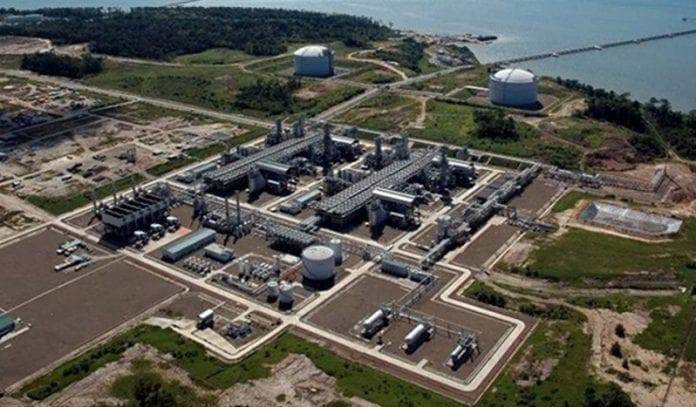
Mozambique's investment proposition is equally significant, although its development priorities and institutional challenges differ. The country possesses substantial natural gas resources, particularly in the Rovuma Basin, alongside established gas production in the south. Its geographical position also provides access to regional markets through the Nacala, Beira, and Maputo transport corridors.
During the briefing, Mozambique's representatives emphasized that the country's opportunity extends beyond LNG exports. Natural gas could support electricity generation, fertilizer production, petrochemicals, industrial manufacturing, and energy supply to neighboring economies. The presentations also highlighted opportunities for LNG receiving terminals, domestic gas transportation, and industrial energy infrastructure. These developments are particularly relevant as Mozambique considers how to diversify its energy supply and reduce dependence on individual producing fields.
A new emphasis on project execution. One of the most notable institutional developments presented was Mozambique's Central Office for Reforms and Strategic Projects. Operating under the Presidency, the office was described as a mechanism to coordinate strategic reforms, improve alignment among government institutions, track implementation, and address obstacles delaying priority investments. Its areas of focus include energy, logistics corridors, agribusiness, tourism, and capacity building.
This development is important because Mozambique's investment challenge is not primarily a shortage of opportunities. The country has substantial natural resources, strategic geographic advantages, and a pipeline of infrastructure and industrial projects. The more difficult task is coordinating the institutions, financing arrangements, approvals, and commercial partnerships required to move projects from concept to implementation.
The effectiveness of the new delivery mechanism will ultimately be measured by results: shorter approval timelines, better interinstitutional coordination, greater investor predictability, and projects reaching implementation. For Mozambique, institutional execution may become as important an investment advantage as the resources themselves.
03Regulatory reform and local content: a changing investment environment
Mozambique's presentations also addressed recent changes to its petroleum-sector legal and regulatory framework. These include provisions relating to state participation, contractual arrangements, petroleum operations, and local content. The regulatory direction places greater emphasis on ensuring that hydrocarbon development generates benefits for Mozambican businesses, workers, and the wider economy.
For international investors, this introduces additional considerations when structuring projects and developing commercial partnerships. Local content should increasingly be treated as part of project design rather than a compliance requirement addressed after contracts have been awarded. That means identifying capable local suppliers, developing appropriate technical partnerships, investing in workforce skills, and establishing procurement arrangements that support competitive domestic participation.
At the same time, regulatory effectiveness will depend on clarity and consistency. Investors need to understand applicable requirements, institutional responsibilities, approval procedures, and the commercial implications of new legislation. Strong local participation and predictable investment conditions should not be competing objectives. When properly implemented, they can reinforce one another. For U.S. firms entering these markets, the ability to combine specialized technology and expertise with credible local partners will become increasingly important.
04Where the commercial opportunities are emerging
The most compelling aspect of the Houston briefing was the breadth of opportunities beyond the headline LNG developments. Angola's presentation identified several areas for U.S. commercial engagement, including pipeline development, gas gathering and processing, floating and onshore LNG facilities, flare-gas capture, compression, storage, and virtual pipeline solutions. Mozambique's presentations highlighted opportunities across construction, engineering, logistics, marine services, industrial maintenance, equipment supply, laboratory services, and downstream gas-based industries. These opportunities can be grouped into five commercially relevant areas.
1. Gas transportation and distribution. Pipeline networks remain central to both countries' long-term plans. However, conventional pipelines require substantial investment, dependable demand, regulatory approvals, and long-term commercial agreements. This creates opportunities not only for major engineering and construction firms but also for specialized suppliers of valves, compressors, metering systems, instrumentation, monitoring equipment, and maintenance services. In areas where pipeline construction is not yet economically justified, alternative distribution models may provide earlier market access.
2. Small-scale LNG and virtual pipelines. One of the more practical opportunities discussed was the use of LNG or compressed natural gas distribution systems to serve customers outside established pipeline networks. These systems can involve modular processing, specialized transportation, storage, regasification, and on-site delivery infrastructure. Potential applications include mining operations, industrial facilities, isolated electricity generation, and other high-consumption customers. Their commercial viability will depend on gas pricing, transport distances, customer demand, and the cost of competing fuels. Nevertheless, they offer a possible pathway for phased market development while larger infrastructure projects remain under preparation.
3. Gas processing and emissions reduction. Associated gas recovery, gas processing, and flaring reduction represent another important investment category. Projects in this area may require gathering systems, separation and treatment equipment, compression technology, emissions monitoring, and specialized engineering services. These investments can serve both commercial and environmental objectives. Capturing gas that would otherwise be flared may create additional marketable supply while reducing emissions. For technology providers and specialized industrial firms, this could represent an opportunity to support operational improvements without waiting for entirely new gas developments.
4. Gas-based industrial development. Both countries highlighted the potential for natural gas to support downstream industries. Fertilizer production is particularly relevant. Angola's plans include gas-based fertilizer facilities, while Mozambique has identified opportunities in ammonia, urea, methanol, and other industrial products. These projects could strengthen agricultural supply chains, support manufacturing, and create opportunities for engineering, processing equipment, industrial utilities, and logistics services. However, the availability of gas alone does not establish commercial viability. Successful downstream projects also require competitive feedstock pricing, sufficient market demand, infrastructure, financing, and reliable distribution channels.
5. Industrial services and supply chains. A significant share of commercial activity around energy infrastructure occurs outside the principal project contracts. Construction services, equipment maintenance, industrial automation, marine support, inspection, logistics, environmental monitoring, technical training, and procurement are essential throughout project development and operation. For small and medium-sized U.S. firms, these services may offer more accessible entry points than direct participation in multibillion-dollar LNG or pipeline investments. The opportunity is particularly relevant where established operators and project developers have clearly defined equipment or service requirements.
05The central investment challenge: connecting supply with bankable demand
Despite the scale of the opportunities presented, one question remains fundamental. This question sits at the center of infrastructure financing. A gas pipeline requires sufficient throughput to justify construction and operation. A fertilizer plant requires dependable gas supply and access to competitive markets. A gas-fired power facility requires electricity customers and payment arrangements capable of supporting its operating costs. A receiving terminal requires reliable supply, distribution infrastructure, and customers willing to pay for the delivered product. These conditions determine whether an opportunity can attract financing.
Both Angola and Mozambique possess significant resource potential, but resource availability does not automatically create bankable projects. Investors will need evidence of commercially credible demand, suitable risk allocation, realistic construction schedules, and appropriate contractual structures. This suggests that the next phase of investment preparation should place greater emphasis on identifying anchor customers and developing projects around demonstrated industrial requirements.
In some cases, a smaller infrastructure project supported by a creditworthy customer may reach execution sooner than a much larger project without established demand. The strongest investment opportunities will be those that connect available resources to identifiable customers through technically sound and financially viable infrastructure.
Who will buy the gas, at what price, under which contractual arrangements, and for how long?
06U.S.-Africa commercial partnerships: beyond financing
The USTDA briefing also highlighted the growing importance of commercial partnerships between the United States and African energy markets. U.S. companies possess established capabilities across gas processing, industrial equipment, pipeline technology, engineering, automation, environmental services, and energy infrastructure development. These capabilities align with several priorities presented by Angola and Mozambique.
However, the commercial relationship should not be understood solely through the availability of investment capital. Many opportunities require technical studies, equipment specifications, qualified suppliers, project preparation, regulatory engagement, and local implementation capacity before financing can be secured. Development finance institutions and export credit agencies may support eligible projects, but their involvement depends on project-specific requirements and due diligence.
This creates a need for stronger connections between African project sponsors, U.S. industrial firms, technical partners, and financing institutions. The most productive partnerships will be those built around clearly defined projects and commercial requirements. For U.S. companies, identifying the appropriate institutional counterpart is only the beginning. Understanding project readiness, procurement arrangements, applicable local content requirements, and financing maturity is equally important.
07ANCAPA perspective: from investment announcements to commercial execution
At ANCAPA Global Partners, the Houston briefing reinforced a central observation about investment opportunities in emerging markets. There is often a substantial gap between the identification of an attractive project and the conditions required for its commercial execution. Closing that gap requires more than capital. It requires credible market intelligence, technical preparation, suitable commercial partners, institutional coordination, and a clear understanding of implementation requirements.
The emerging gas infrastructure opportunities in Angola and Mozambique illustrate this challenge. A national pipeline program may contain numerous potential commercial engagements, but these will emerge at different stages and require different capabilities. Some projects will need feasibility studies and engineering design. Others will require equipment suppliers, industrial service providers, local implementation partners, or financing structures. Still others may remain conceptual until demand and commercial conditions become clearer. ANCAPA sees particular value in four areas of commercial engagement.
Opportunity identification and qualification: distinguishing actionable commercial requirements from longer-term project concepts and identifying the institutions responsible for their development. U.S. technology and equipment partnerships: connecting qualified industrial suppliers and service providers with specific infrastructure, energy, and procurement needs.
Project development and investment readiness: supporting the preparation of credible project propositions, identifying implementation constraints, and facilitating engagement with relevant technical and financial counterparties. Infrastructure and market intelligence: applying data, geospatial analysis, and sector knowledge to assess infrastructure constraints, industrial demand, and potential investment locations.
These areas reflect ANCAPA's broader focus on connecting U.S. commercial capabilities with investment opportunities across energy, natural resources, infrastructure, digital solutions, capital, and industrial supply chains. The objective is not simply to promote investment opportunities. It is to help identify where commercially meaningful partnerships can support project development and execution.
08The bigger opportunity: energy corridors as industrial corridors
Looking beyond individual projects, the presentations suggest an opportunity to rethink the relationship between energy infrastructure and regional economic development. Angola's proposed gas network could strengthen industrial activity along major transport and economic corridors. Mozambique's energy resources and established ports could support industrial development across regional markets connected through Nacala, Beira, and Maputo.
These systems need not develop independently. Gas infrastructure can support industrial power demand. Reliable electricity can improve the economics of manufacturing and mineral processing. Transport corridors can connect industrial production with regional and international markets. Digital infrastructure can improve asset management, logistics, environmental compliance, and operational efficiency. When these investments are coordinated, their combined economic value may exceed that of the individual projects.
But this outcome is not automatic. Infrastructure must be developed in a sequence that reflects real demand, financing capacity, and institutional readiness. There are also important risks, including project delays, regulatory uncertainty, security challenges, infrastructure maintenance, environmental impacts, and changing energy-market conditions. A successful industrial corridor therefore requires more than physical connectivity. It requires commercially viable businesses capable of using that connectivity.
This is the larger opportunity emerging from the Angola and Mozambique gas discussions. Natural gas can become an enabler of industrial development, but only when infrastructure investment is connected to productive economic activity.
09Conclusion: the next energy investment cycle will be defined by execution
The Houston briefing demonstrated that Angola and Mozambique are advancing ambitious plans to expand the economic value of their natural gas resources. Angola is pursuing a phased approach to domestic gas utilization, infrastructure integration, and industrial development. Mozambique is positioning its gas resources alongside broader energy, logistics, and industrial priorities while introducing institutional and regulatory measures intended to improve implementation. Both countries are seeking international commercial engagement.
For U.S. companies, the opportunities extend well beyond traditional LNG production and exports. They include equipment, engineering, pipelines, processing, industrial services, environmental technologies, digital systems, and the infrastructure needed to connect gas supply with commercial demand. For investors, the central challenge is identifying which opportunities have progressed sufficiently to support credible commercial engagement. For governments, the challenge is ensuring that infrastructure development translates into productive investment, domestic economic participation, and reliable energy supply.
The next chapter of Southern Africa's natural gas industry will therefore be determined not only by the resources available, but by the ability to develop commercially viable projects and deliver them. That is where the next generation of industrial partnerships can begin.
Angola and Mozambique have the gas. The next investment opportunity lies in everything required to move it, process it, distribute it, and put it to productive use.
Start a project conversation
Bring us a project, or a mandate to deploy.
If you control a project seeking a U.S. development, technology or commercial partner, or your company is looking for qualified opportunities in African growth markets, let's discuss a specific fit.
Partner with ANCAPAThis article draws primarily on ANCAPA Global Partners' participation in the USTDA Angola and Mozambique Midstream Gas Infrastructure Reverse Trade Mission in Houston, October 2026, including presentations by representatives of Angola's petroleum institutions and Mozambique's government and energy-sector institutions. Investment estimates, development horizons and future project capacities reflect information presented during the briefing and are subject to further technical, commercial, regulatory and financing developments. This article represents ANCAPA's independent commercial analysis and does not imply institutional endorsement, confirmed project participation, or financing commitments.